Products Description
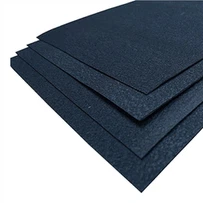
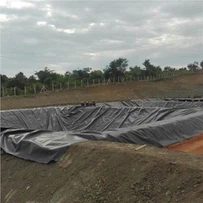
HDPE (High-Density Polyethylene) geomembrane can be used for a variety of applications, including pond liners and swimming pools. HDPE geomembranes are commonly used in these applications due to their excellent resistance to chemicals, including chlorine.
When it comes to swimming pools, the use of HDPE geomembrane as a pond liner can provide an effective barrier to prevent water leakage and seepage. The geomembrane acts as a waterproofing layer, preventing water from permeating into the surrounding soil.
As for the impact of chlorine on HDPE geomembrane, it is generally considered to be minimal. HDPE is known for its chemical resistance, and it can withstand exposure to chlorine and other pool chemicals without significant degradation. However, it is important to note that prolonged exposure to high concentrations of chlorine or other strong chemicals may have some effect on the geomembrane over time. Therefore, proper pool maintenance and water chemistry management are crucial to ensure the longevity of the geomembrane.
It is recommended to consult with a professional or manufacturer specializing in HDPE geomembranes for swimming pool applications to ensure you select the appropriate product and receive specific guidance on installation, maintenance, and chemical compatibility.

Installation Notes
There are some maintenance requirements to consider when using HDPE geomembranes as pond liners. Here are a few key points to keep in mind:
1. Inspection: Regular inspections of the geomembrane are important to identify any signs of damage, wear, or potential issues. Inspect the liner for punctures, tears, or deterioration regularly, especially after extreme weather events or any activities that may have put stress on the liner. 2. Cleaning: It is essential to keep the geomembrane clean to prevent the buildup of debris, algae, or other materials that could potentially damage the liner or compromise its effectiveness. Remove any debris or vegetation from the surface of the liner periodically. 3. Repair: If any damage or punctures are detected during inspections, prompt repairs should be carried out to prevent further deterioration and water leakage. Small punctures or tears can often be repaired using patching materials specifically designed for HDPE geomembranes. 4. Water Chemistry: Maintain proper water chemistry to prevent the buildup of chemicals or substances that could potentially degrade the geomembrane. Avoid excessive chlorine levels or the use of harsh chemicals that could have a detrimental effect on the liner. 5. Vegetation Control: Prevent the growth of vegetation around the pond or swimming pool area, as plant roots can potentially penetrate the geomembrane and cause damage. Use appropriate measures to control and remove vegetation regularly. 6. UV Protection: HDPE geomembranes are susceptible to degradation from prolonged exposure to UV radiation. If the geomembrane is exposed to direct sunlight, consider implementing measures to protect it, such as using shading structures or applying a UV-resistant coating. 
Geomembranes Pond Liner Application
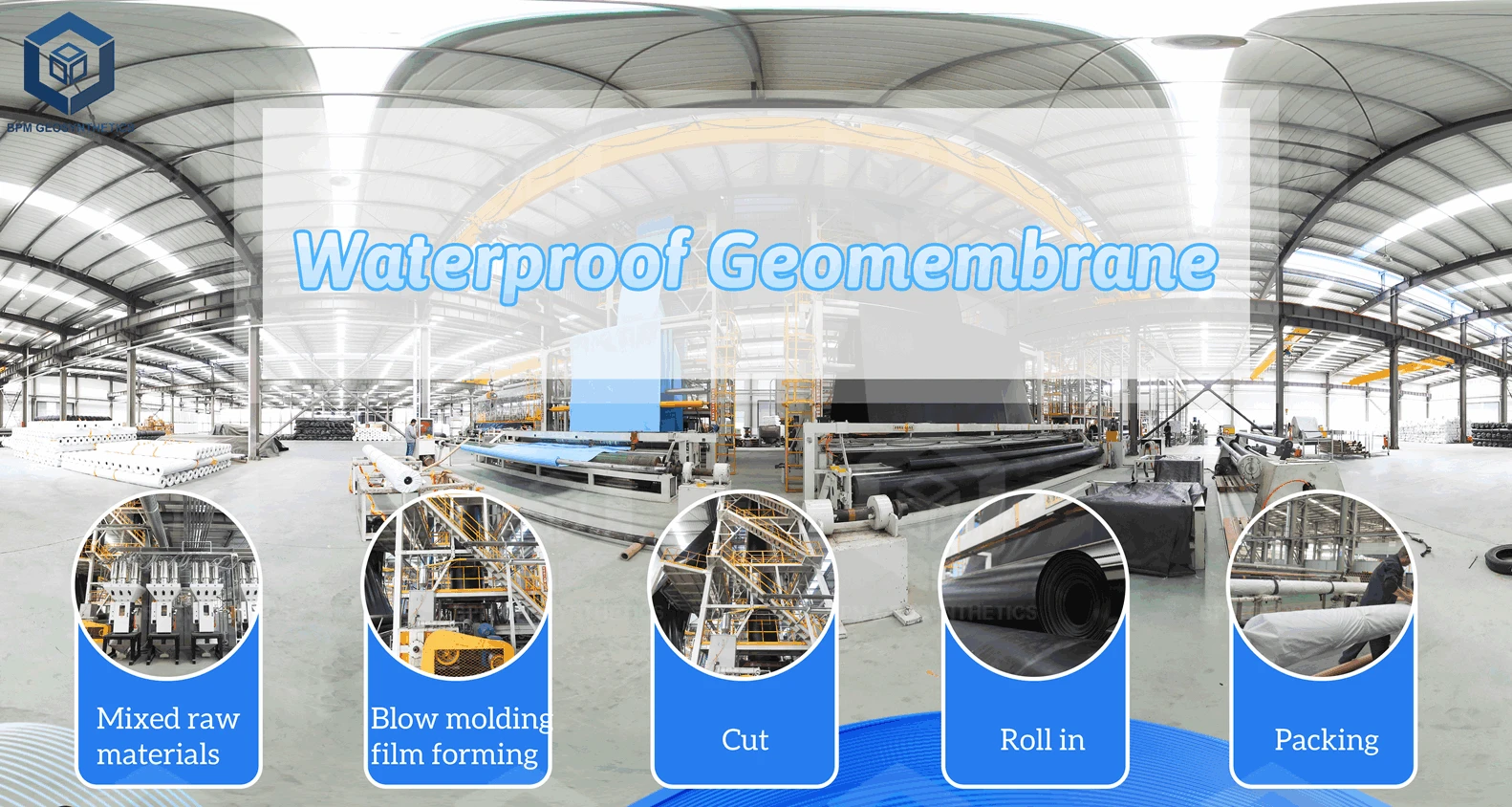
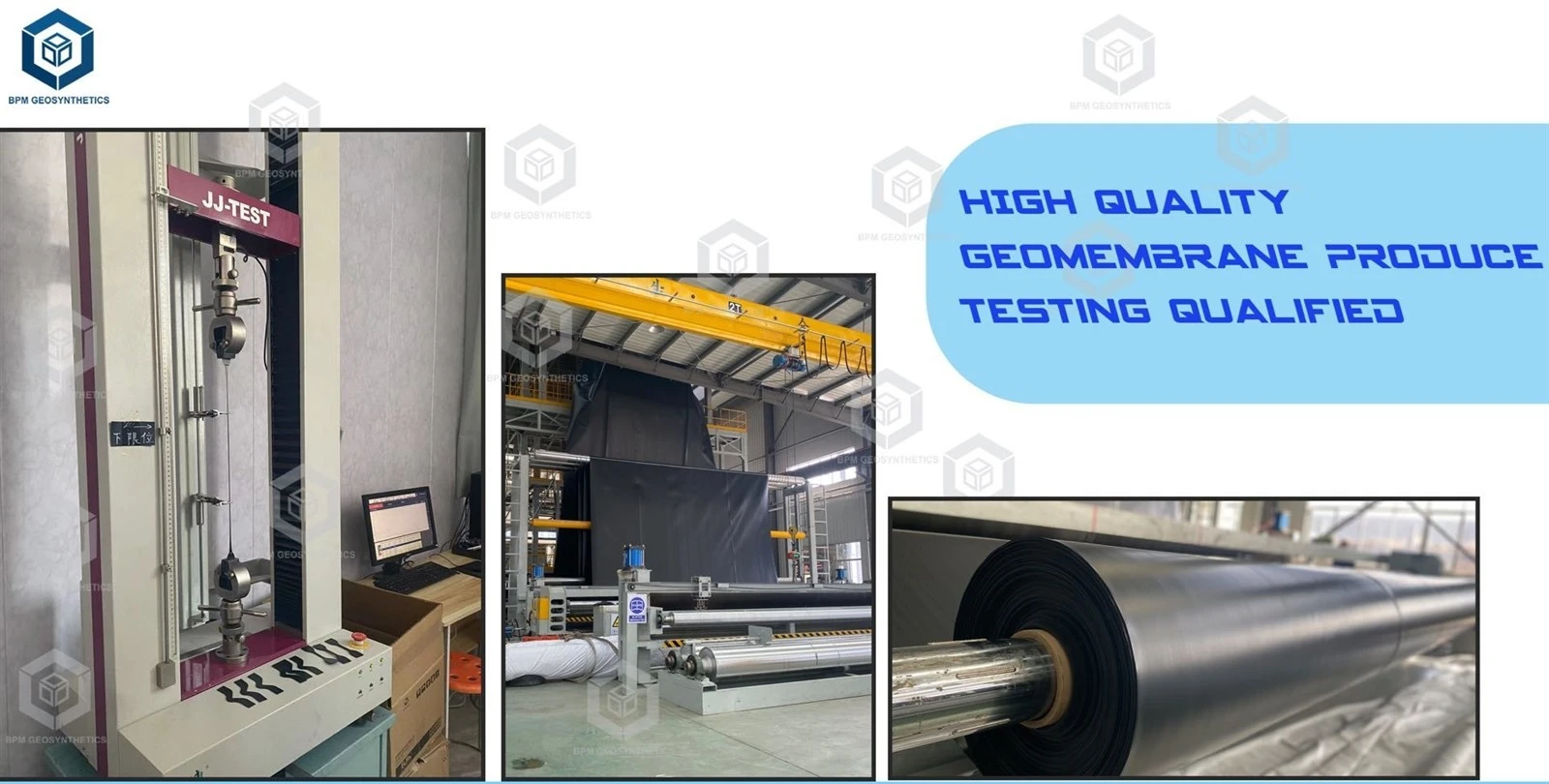
BPM geomembrane factory and production
|


contact information

|
Properties |
Test Method |
Test Value |
|||||||||
|
|
|
0.5 mm |
0.75mm |
1.00 mm |
1.25 mm |
1.50 mm |
2.00 mm |
2.50 mm |
3.00 mm |
||
|
Maximum Deviation of thickness |
|
-15% |
-15% |
-15% |
-15% |
-15% |
-15% |
-15% |
-15% |
||
|
Density (min. ave.) |
D 1505/D792 |
0.940 g/cc |
0.940 g/cc
|
0.940 g/cc |
0.940 g/cc |
0.940 g/cc |
0.940 g/cc |
0.940 g/cc |
0.940 g/cc |
||
|
Tensile Properties(min.ave) |
Yield strength
Break strength |
D6693 |
8N/mm |
11 N/mm |
15 N/mm |
18 N/mm |
22 N/mm |
29 N/mm |
37 N/mm |
44 N/mm |
|
|
|
|
|
14N/mm |
20N/mm
|
27 N/mm |
33 N/mm |
40 N/mm |
53N/mm |
67 N/mm |
80 N/mm |
|
|
Yield elongation |
|
12% |
12% |
12% |
12% |
12% |
12% |
12% |
12% |
||
|
Break elongation |
|
700% |
700% |
700% |
700% |
700% |
700% |
700% |
700% |
||
|
Tear Resistance (min. ave.) |
D 1004 |
63 N |
93 N |
125 N |
156 N |
187 N |
249 N |
311 N |
374 N |
||
|
Puncture Resistance (min. ave.) |
D 4833 |
160N |
240N |
320 N |
400 N |
480 N |
640 N |
800 N |
960 N |
||
|
Carbon Black Content (range) |
D 4218 |
2.0-3.0 % |
2.0-3.0 % |
2.0-3.0 % |
2.0-3.0 % |
2.0-3.0 % |
2.0-3.0 % |
2.0-3.0 % |
2.0-3.0 % |
||
|
Oxidative Induction Time (OIT) (min.ave.) Standard OIT |
D 3895 |
100 min. |
100 min. |
100 min. |
100 min. |
100 min. |
100 min. |
100 min. |
100 min. |
||
|
Oven Aging at 85°C Standard OIT (min. ave.) - % retained after 90 days |
D 5721 D 3895 |
55% |
55% |
55% |
55% |
55% |
55% |
55% |
55% |
||
|
UV Resistance High Pressure OIT (min. ave.) - % retained after 1600 hrs |
D 3895 D 5885 |
50% |
50% |
50% |
50% |
50% |
50% |
50% |
50% |
||
Hot Tags: polyethylene hdpe geomembrane pond liner, China polyethylene hdpe geomembrane pond liner manufactures, suppliers, factory, Textured HDPE Geomembrane Liner, Dam Liner Geomembranes, 0 5mm HDPE Liner Sheet for Fish Farming Pond, HDPE Lining 1000 Micron, HDPE Liner For Artificial Lake, HDPE Liner 1 5mm Heap Leach