


Hey there! As a geocell supplier, I often get asked about the cost of geocells. It's a valid question, and the answer isn't as straightforward as you might think. In this blog, I'll break down the factors that influence the cost of geocells and give you a better understanding of what you're paying for.
What Are Geocells?
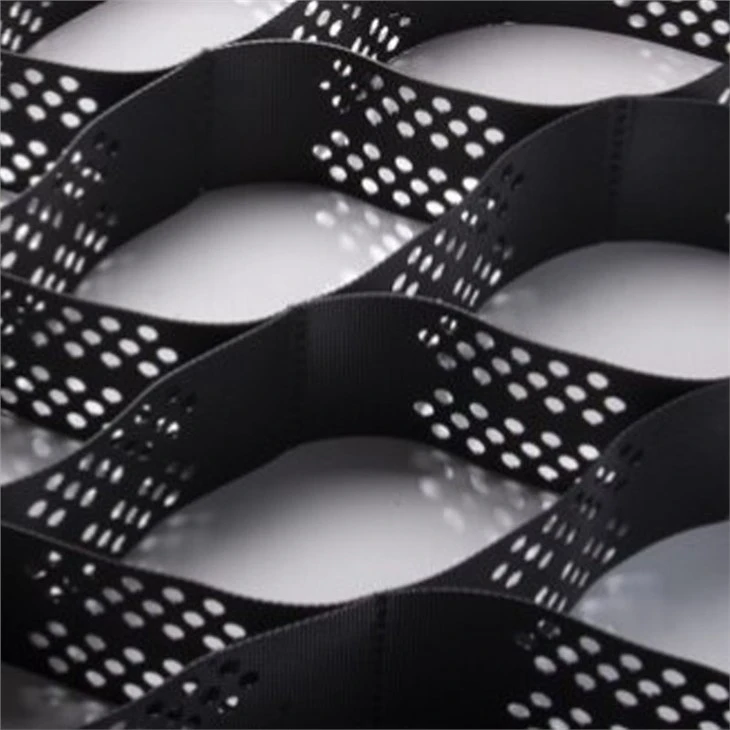
First things first, let's quickly go over what geocells are. Geocells are three-dimensional honeycomb-like structures made from various materials, typically high-density polyethylene (HDPE). They're used in a wide range of applications, including soil stabilization, erosion control, and even Plastic Geocell Driveway construction. The cells are filled with soil, gravel, or other infill materials, creating a stable and reinforced surface.
Factors Affecting the Cost of Geocells
Material Quality
The quality of the material used to make geocells is a major factor in determining their cost. HDPE is a popular choice because it's durable, resistant to UV rays, and can withstand harsh environmental conditions. Higher-quality HDPE will generally cost more, but it also offers better performance and a longer lifespan. Cheaper materials might save you money upfront, but they could end up costing you more in the long run due to frequent replacements.
Cell Size and Shape
Geocells come in different cell sizes and shapes, and these can affect the cost. Smaller cells are often more expensive because they require more material to manufacture. The shape of the cells can also play a role. For example, hexagonal cells are more common and efficient, but custom-shaped cells may be more expensive due to the additional manufacturing complexity.
Quantity
Like most products, the quantity of geocells you purchase can have a significant impact on the cost. Buying in bulk usually means getting a lower price per unit. If you're working on a large project, it's worth considering ordering a larger quantity to take advantage of bulk discounts. However, make sure you have enough storage space and that you'll actually use all the geocells you order.
Installation Requirements
The cost of installation is another important factor. Some geocells are easier to install than others, and this can affect the overall cost. If the installation requires specialized equipment or skilled labor, it will add to the total expense. Additionally, the site conditions can also impact the installation cost. For example, if the ground is uneven or has poor soil quality, more preparation work may be needed, which will increase the cost.
Additional Features
Some geocells come with additional features, such as perforations for drainage or a special coating for added protection. These features can enhance the performance of the geocells but will also increase the cost. You need to decide whether these additional features are necessary for your project or if you can get by with a more basic product.
Cost Comparison
To give you a better idea of the cost range, let's compare different types of geocells. HDPE Driveway Geocell is a popular option for driveway construction. The cost of HDPE driveway geocells can vary depending on the factors mentioned above, but on average, you can expect to pay between $2 and $5 per square foot.
Geocell Gravel Grid is another common type of geocell used for stabilizing gravel surfaces. The cost of geocell gravel grids is usually a bit lower, ranging from $1.50 to $3 per square foot. However, these prices are just estimates, and the actual cost can vary based on your specific requirements.
Is It Worth the Cost?
Now, you might be wondering if geocells are worth the cost. The answer depends on your project and your long-term goals. Geocells offer several benefits that can make them a cost-effective solution in the long run.
For one, they can significantly reduce the amount of infill material needed. By confining the infill within the cells, geocells prevent it from spreading and shifting, which means you can use less material overall. This not only saves you money on the cost of the infill but also reduces the environmental impact.
Geocells also improve the stability and durability of the surface. They can withstand heavy loads and prevent soil erosion, which means you'll have fewer maintenance issues and a longer-lasting surface. In the case of a driveway, for example, using geocells can prevent potholes and rutting, saving you money on repairs and resurfacing.
How to Get the Best Deal
If you're looking to get the best deal on geocells, here are a few tips:
- Shop around: Don't just settle for the first supplier you find. Get quotes from multiple suppliers and compare prices and features.
- Negotiate: Many suppliers are willing to negotiate on price, especially if you're buying in bulk. Don't be afraid to ask for a better deal.
- Consider the long-term cost: Instead of just focusing on the upfront cost, think about the long-term benefits and costs. A more expensive geocell with better performance may end up saving you money in the long run.
Contact Us for a Quote
If you're interested in purchasing geocells for your project, I'd love to help. As a geocell supplier, I have the expertise and experience to recommend the right product for your needs and provide you with a competitive quote. Just reach out to me, and we can discuss your project in detail. Whether you're working on a small residential driveway or a large commercial construction project, I'm here to assist you every step of the way.

References
- ASTM International. (20XX). Standard specifications for geosynthetics.
- Koerner, R. M. (20XX). Designing with geosynthetics.