


Hey there! As a geomembrane supplier, I'm super stoked to spill the beans on what geomembranes are all about. Geomembranes might not be the first thing that pops into your head when you think about cool stuff, but trust me, they're pretty amazing and have a ton of uses.
So, what exactly is a geomembrane? Well, it's basically a synthetic membrane liner or barrier made from polymers. These polymers can be things like high - density polyethylene (HDPE), low - density polyethylene (LDPE), polyvinyl chloride (PVC), and ethylene propylene diene monomer (EPDM). Geomembranes are designed to have very low permeability, which means they're great at keeping liquids and gases from passing through them.
Let's talk about how geomembranes are made. The manufacturing process can vary depending on the type of polymer used. For HDPE geomembranes, the process usually starts with the raw HDPE resin. This resin is melted and then either extruded or calendered into a thin sheet. Extrusion involves forcing the molten polymer through a die to create a continuous sheet, while calendering is a process where the polymer is passed through a series of rollers to form a flat sheet. Once the sheet is formed, it might go through additional processes like texturing or adding additives to improve its properties, such as UV resistance or flexibility.
Now, let's get into the many uses of geomembranes. One of the most common applications is in environmental protection. Landfills are a prime example. When you think about all the waste that goes into a landfill, there's a huge risk of harmful chemicals and liquids seeping into the ground and contaminating the soil and groundwater. That's where geomembranes come in. They're used as liners at the bottom and sides of landfills to create a barrier that prevents leachate (the liquid that forms as waste decomposes) from escaping. This helps to protect the environment and keep our water sources clean.
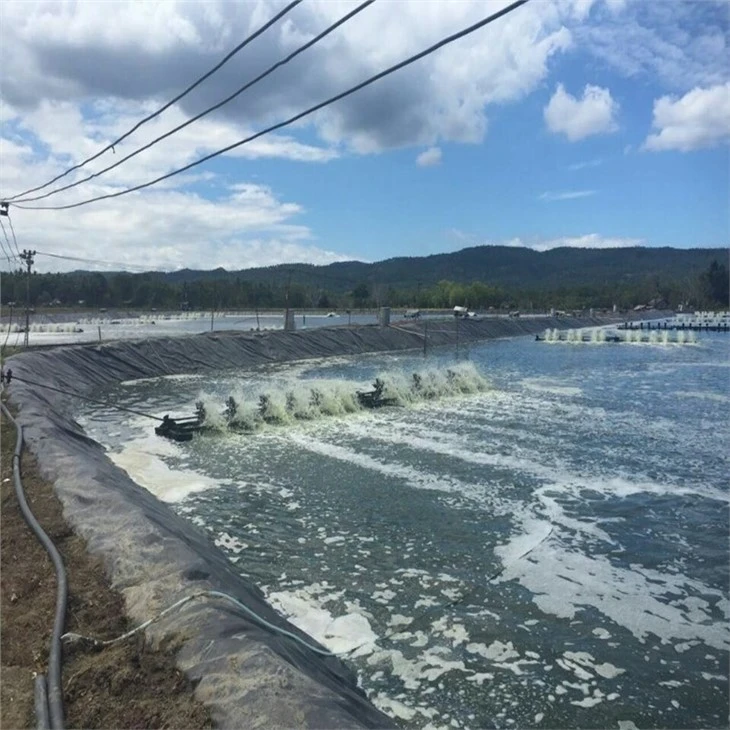

Another big area where geomembranes are used is in water containment. Whether it's a small pond in your backyard or a large reservoir for a city's water supply, geomembranes can be used to line the water body. They prevent water from seeping into the ground, which helps to conserve water and maintain the water level. For aquaculture, geomembranes are also a game - changer. Aquaculture is all about farming fish, shrimp, and other aquatic organisms. Aquaculture Geomembranes provide a clean and safe environment for the aquatic life. They prevent the loss of water from the ponds and also protect the water from being contaminated by the surrounding soil.
In the mining industry, geomembranes play a crucial role. Mines often produce a lot of waste, including tailings (the leftover material after the valuable minerals have been extracted). These tailings can contain harmful chemicals and heavy metals. Geomembranes are used as liners in tailings ponds to prevent these contaminants from leaking into the environment. They also help to manage the water in the mining process, reducing water consumption and protecting the local ecosystem.
Agriculture is yet another sector that benefits from geomembranes. They can be used in irrigation systems to line canals and ditches, reducing water loss due to seepage. This means more water can be used for crops, which is great for farmers. Additionally, geomembranes can be used in greenhouses to control humidity and prevent water from seeping into the ground.
Now, let's talk about the different types of geomembranes and their properties. HDPE geomembranes are super popular because they're strong, durable, and resistant to chemicals. They can withstand a wide range of temperatures and are relatively easy to install. PVC geomembranes, on the other hand, are more flexible and have good tear resistance. They're often used in applications where a high degree of flexibility is required, such as in some types of water containment structures. EPDM geomembranes are known for their excellent weather resistance and elasticity. They're commonly used in roofing and waterproofing applications.
When it comes to choosing the right geomembrane for a project, there are a few things to consider. First, you need to think about the chemical environment. If the geomembrane is going to be in contact with harsh chemicals, you'll need a material that's resistant to those chemicals. For example, if it's for a landfill liner, HDPE might be a good choice because it can handle a variety of chemicals found in leachate.
The mechanical properties are also important. You need to consider the strength, tear resistance, and puncture resistance of the geomembrane. If the geomembrane is going to be installed in an area where it might be subjected to heavy loads or sharp objects, you'll want a material with high mechanical strength. For instance, in a mining application where there might be heavy equipment moving around, a thick and strong HDPE geomembrane would be a good option.
Another factor is the environmental conditions. If the geomembrane is going to be exposed to sunlight for long periods, you'll need a material with good UV resistance. Some geomembranes come with additives that help to protect them from UV rays, which can cause the material to degrade over time.
At our company, we offer a wide range of geomembranes to meet different needs. One of our popular products is the Geomembrane Plastic Lining 2mm. This 2mm thick geomembrane is made from high - quality materials and is suitable for many applications, including water containment, landfill lining, and aquaculture. It has excellent strength and chemical resistance, making it a reliable choice for your projects.
We're also proud to be known as the Number One Chinese Geomembrana Supplier. We have years of experience in the industry and a team of experts who can help you choose the right geomembrane for your specific project. We offer high - quality products at competitive prices, and we're committed to providing excellent customer service.
If you're in the market for geomembranes, whether it's for a small - scale project or a large - scale industrial application, we'd love to hear from you. We can provide you with detailed information about our products, offer technical support, and help you with the installation process. Contact us to start a conversation about your geomembrane needs, and let's work together to find the perfect solution for your project.
References
- Koerner, R. M. (2012). Designing with Geosynthetics. Pearson.
- Rowe, R. K. (2012). Geosynthetics in Waste Containment Landfills. CRC Press.