


As a seasoned supplier of welding machines, I've encountered a wide array of issues that customers face when using these essential tools. Troubleshooting a welding machine can seem daunting at first, but with a systematic approach, you can quickly identify and resolve most problems. In this blog, I'll share some valuable insights on how to troubleshoot welding machines effectively.
Understanding the Basics
Before diving into troubleshooting, it's crucial to have a basic understanding of how a welding machine works. Welding machines convert electrical energy into heat to melt and join metals. They typically consist of a power source, a welding gun or electrode holder, and a control panel. The power source can be either AC (alternating current) or DC (direct current), depending on the type of welding process.
Common Problems and Solutions
1. No Power
One of the most common issues is when the welding machine doesn't turn on at all. Here are some steps to troubleshoot this problem:
- Check the Power Supply: Ensure that the welding machine is properly plugged into a functioning power outlet. Check the circuit breaker or fuse box to make sure there are no tripped breakers or blown fuses.
- Inspect the Power Cord: Look for any signs of damage, such as cuts or frayed wires, on the power cord. If you find any damage, replace the power cord immediately.
- Test the Switch: The on/off switch on the welding machine can sometimes fail. Use a multimeter to test the switch for continuity. If the switch is faulty, replace it.
2. Low Welding Output
If you're experiencing low welding output, it could be due to several factors:
- Check the Amperage Setting: Make sure the amperage setting on the welding machine is appropriate for the type of metal and thickness you're welding. Refer to the welding machine's manual for the recommended settings.
- Inspect the Electrodes or Welding Wire: Ensure that the electrodes or welding wire are in good condition and properly inserted into the welding gun or electrode holder. If the electrodes are worn out or the welding wire is damaged, replace them.
- Clean the Contacts: Over time, the contacts on the welding machine and the welding gun can become dirty or corroded, which can reduce the welding output. Use a wire brush or sandpaper to clean the contacts.
3. Excessive Spatter
Excessive spatter during welding can be a sign of several problems:
- Check the Gas Flow: If you're using a gas-shielded welding process, such as MIG or TIG welding, make sure the gas flow is set correctly. Insufficient gas flow can cause excessive spatter.
- Adjust the Voltage and Amperage: Incorrect voltage and amperage settings can also lead to excessive spatter. Refer to the welding machine's manual for the recommended settings and make adjustments as needed.
- Clean the Base Metal: The surface of the base metal should be clean and free of rust, oil, or other contaminants before welding. Use a wire brush or grinder to clean the base metal.
4. Welding Arc Instability
An unstable welding arc can make it difficult to achieve a consistent weld. Here's how you can troubleshoot this problem:
- Check the Ground Connection: A poor ground connection can cause arc instability. Make sure the ground clamp is securely attached to the workpiece and that the connection is clean.
- Inspect the Welding Cable: Look for any signs of damage, such as cuts or kinks, on the welding cable. A damaged cable can cause voltage drops and arc instability. If you find any damage, replace the welding cable.
- Adjust the Electrode Angle: The angle of the electrode or welding gun can affect the stability of the welding arc. Make sure the electrode is held at the correct angle for the type of welding process you're using.
Advanced Troubleshooting
If you've tried the above steps and still can't resolve the problem, it may be necessary to perform some advanced troubleshooting:
- Check the Internal Components: If you have the technical expertise, you can open the welding machine and inspect the internal components for any signs of damage or wear. Look for loose connections, burned-out components, or signs of overheating.
- Test the Control Board: The control board on the welding machine is responsible for regulating the power output and other functions. Use a multimeter to test the control board for proper voltage and continuity. If the control board is faulty, it may need to be replaced.
- Seek Professional Help: If you're not comfortable performing advanced troubleshooting or if you're unable to identify the problem, it's best to seek the help of a professional welding machine technician.
Conclusion
Troubleshooting a welding machine requires a combination of knowledge, experience, and patience. By following the steps outlined in this blog, you can quickly identify and resolve most common problems. However, if you're still having trouble, don't hesitate to contact us. As a leading supplier of welding machines, we have a team of experts who can provide you with the support and guidance you need.

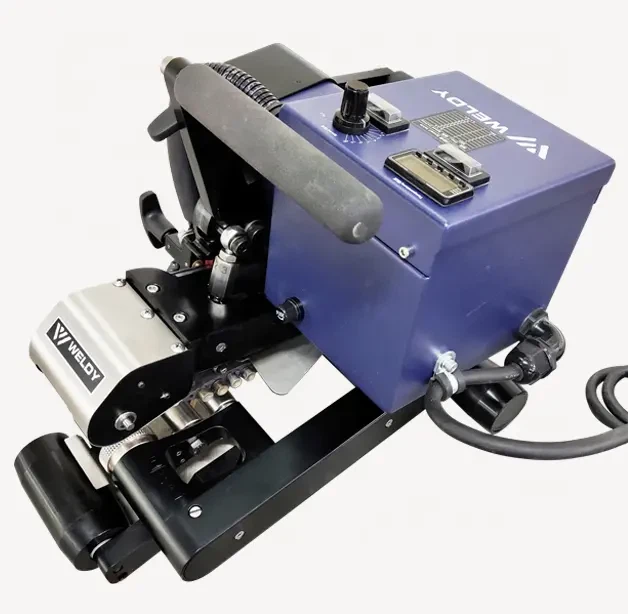
We offer a wide range of high-quality welding machines, including Geomembrane HDPE Welding Machine, Pond Liner Welding Machine, and Agricultural Machinery WELDY Welding Machine For Sale. If you're in the market for a new welding machine or need to purchase replacement parts, we'd be happy to assist you. Contact us today to discuss your requirements and get a quote.
References
- Welding Machine User Manuals
- Welding Industry Standards and Guidelines
- Technical Articles and Publications on Welding Technology