


Polyester geogrids are essential materials in civil engineering, offering reinforcement and stabilization in various applications such as road construction, soil retention, and embankment reinforcement. As a supplier of polyester geogrids, ensuring the safe transportation of these products is crucial to maintain their quality and integrity until they reach the end - user. In this blog, I'll share some key considerations and best practices for safely transporting polyester geogrids.
Understanding Polyester Geogrid Characteristics
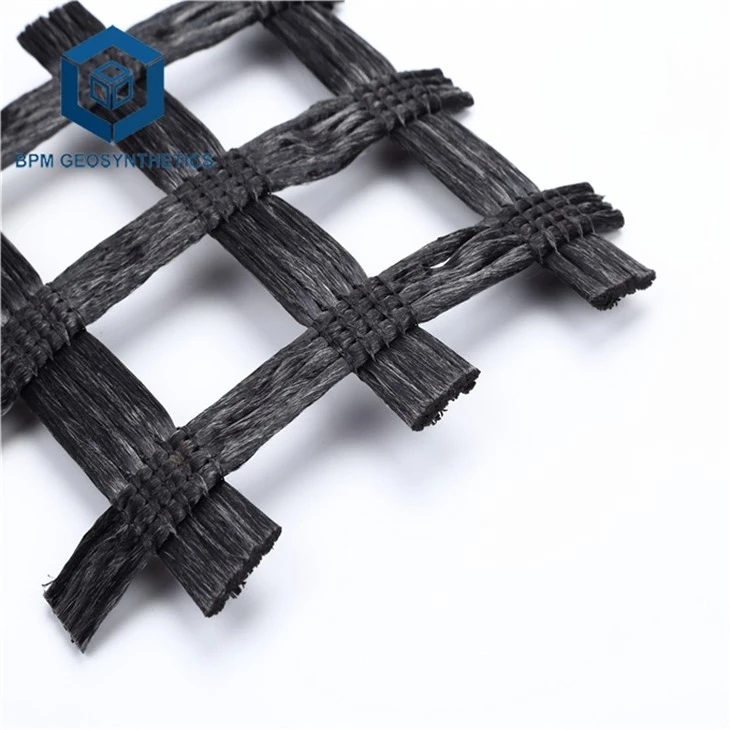
Before delving into transportation methods, it's important to understand the characteristics of polyester geogrids. Polyester geogrids are typically made from high - strength polyester yarns that are woven or knitted into a grid structure. They are known for their high tensile strength, low creep, and excellent chemical resistance. However, they can be vulnerable to mechanical damage, UV radiation, and moisture during transportation.
Packaging for Protection
Proper packaging is the first line of defense in protecting polyester geogrids during transportation. We usually roll the geogrids onto large cores and then wrap them with a protective layer. A thick plastic film is often used as an outer layer, which can prevent moisture from seeping in and protect the geogrid from dust and dirt. For additional protection, especially for long - distance or international shipments, we may use wooden pallets to support the rolled geogrids. This helps to prevent the grids from being crushed and makes it easier to handle them with forklifts or other material - handling equipment.

Choosing the Right Transportation Mode
The choice of transportation mode depends on several factors, including the distance, quantity, and urgency of the delivery.
Road Transportation
Road transportation is a common choice for local and regional deliveries. Trucks offer flexibility in terms of pick - up and delivery locations. When using trucks, it's important to secure the geogrid rolls properly. Straps or ropes should be used to prevent the rolls from shifting during transit. We also recommend using trucks with covered trailers to protect the geogrids from adverse weather conditions such as rain, snow, and direct sunlight.
Rail Transportation
For longer distances within a country or continent, rail transportation can be a cost - effective option. Railcars can carry large quantities of geogrids at once. Similar to road transportation, proper securing of the geogrid rolls is essential. Special attention should be paid to the vibration and jolting that occur during rail travel, as these can potentially damage the geogrids. Padding materials can be used between the rolls and the railcar walls to absorb shocks.
Sea Transportation
When shipping polyester geogrids overseas, sea transportation is often the preferred method. Containers are commonly used to transport geogrids by sea. We need to ensure that the containers are clean and dry before loading the geogrids. Dehumidifiers or desiccants can be placed inside the containers to control the humidity level. Additionally, the geogrid rolls should be stacked in a stable manner to prevent them from toppling over during the rough sea voyage.
Handling During Loading and Unloading
The process of loading and unloading polyester geogrids is critical to their safety. Trained personnel should be responsible for these operations. When using forklifts or cranes, the lifting equipment should be carefully positioned to avoid puncturing or tearing the geogrids. Soft slings or pads can be used to protect the geogrid surfaces during lifting.
Protecting Against Environmental Factors
UV Radiation
Polyester geogrids can be damaged by prolonged exposure to UV radiation. During transportation, if the geogrids are exposed to sunlight for an extended period, their strength and durability may be compromised. Therefore, we always try to keep the geogrids covered. If the transportation takes a long time and there are stops where the geogrids may be left outside, we use UV - resistant covers.
Moisture
Moisture can cause the polyester geogrids to degrade over time. As mentioned earlier, proper packaging is essential to keep moisture out. In addition, when transporting in humid environments or during rainy seasons, extra precautions should be taken. For example, in sea transportation, containers should be inspected regularly for signs of water leakage.
Monitoring During Transportation
To ensure the safe transportation of polyester geogrids, it's beneficial to implement a monitoring system. For long - distance shipments, we can use GPS tracking devices to monitor the location and movement of the geogrids. Temperature and humidity sensors can also be placed inside the transportation containers to keep track of the environmental conditions. This allows us to take timely action if any issues are detected.
Different Types of Polyester Geogrids and Their Transportation Considerations
There are various types of polyester geogrids, each with its own unique characteristics and transportation requirements.
- PVC Coated Polyester Geogrid: The PVC coating provides additional protection to the polyester geogrid. However, care should be taken to avoid scratching the coating during transportation. The coating can be damaged by sharp objects, so proper padding and secure packaging are even more important.
- PET Geogrid: PET geogrids are known for their high strength - to - weight ratio. They are relatively lightweight, which can make them easier to handle during transportation. But they are still susceptible to mechanical damage, so the same safety measures regarding packaging and securing apply.
- Keystone Geogrid: Keystone geogrids have a unique grid structure. During transportation, we need to ensure that the structure remains intact. Special attention should be paid to prevent the grids from being deformed, which could affect their performance in the field.
Conclusion
As a polyester geogrid supplier, we are committed to delivering high - quality products to our customers. Safe transportation is an integral part of this process. By following the best practices outlined in this blog, including proper packaging, choosing the right transportation mode, careful handling, and protection against environmental factors, we can ensure that the polyester geogrids reach our customers in optimal condition.
If you are in need of polyester geogrids for your construction projects, we invite you to contact us for more information and to discuss your specific requirements. Our team of experts is ready to assist you in choosing the right geogrid products and ensuring their safe and timely delivery.
References
- ASTM D6637/D6637M - 19 Standard Specification for Geogrids for Reinforcement of Subbases and Bases under Flexible Pavements.
- ISO 10318:2012 Geosynthetics - Geogrids - Determination of characteristic opening size.
- Koerner, R. M. (2012). Designing with Geosynthetics. Pearson Education.