


Hey there! As a supplier of LLDPE Geomembrane, I've seen firsthand how crucial it is to properly maintain these liners. In this blog, I'm gonna share some tips on how to keep your LLDPE Geomembrane in top - notch condition.
Why Maintenance Matters
First off, let's talk about why maintaining LLDPE Geomembrane is so important. LLDPE (Linear Low - Density Polyethylene) geomembranes are used in a wide variety of applications, like landfill liners, pond liners, and agricultural water storage. These liners act as a barrier, preventing the leakage of harmful substances or water. If they're not well - maintained, leaks can occur, which can lead to environmental pollution, loss of water, or damage to the surrounding infrastructure.
Inspection
The first step in maintaining your LLDPE Geomembrane is regular inspection. You should conduct visual inspections on a frequent basis. Start by walking around the perimeter of the liner. Look for any signs of visible damage, such as cuts, punctures, or tears. These can be caused by sharp objects like rocks, tools, or even animals.

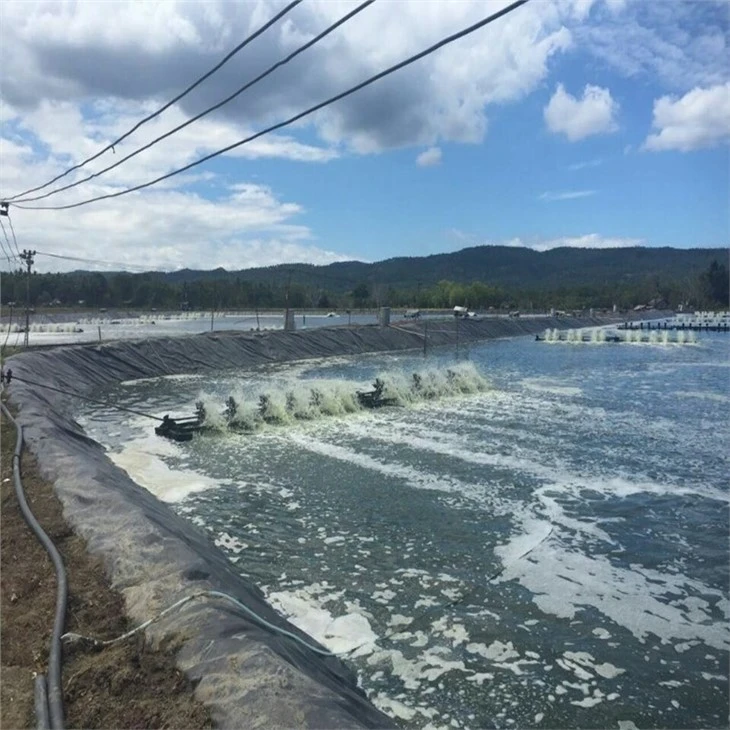
If you're using the LLDPE Geomembrane in a landfill, check for any signs of waste penetration. Waste can sometimes have sharp edges that can pierce the liner. In a pond, look for any areas where the liner might be exposed due to water level changes.
It's also a good idea to check the seams of the geomembrane. Seams are often the weakest points. Make sure they're still intact and there are no signs of separation. If you notice any issues during your inspection, mark the areas clearly so you can address them later.
Cleaning
Cleaning is another essential aspect of maintenance. Over time, dirt, debris, and organic matter can accumulate on the surface of the LLDPE Geomembrane. This not only makes the liner look bad but can also cause long - term damage.
For light cleaning, you can use a soft - bristled brush and a mild detergent. Gently scrub the surface to remove dirt and grime. Rinse thoroughly with clean water. Avoid using harsh chemicals or abrasive cleaners, as they can damage the LLDPE material.
If there's a lot of organic matter, like algae growth in a pond liner, you might need to use a more targeted approach. There are special algaecides that are safe for use on LLDPE geomembranes. Follow the manufacturer's instructions carefully when using these products.
Protection from UV Rays
LLDPE Geomembranes are generally resistant to UV rays, but prolonged exposure can still cause some degradation over time. If your liner is exposed to direct sunlight for long periods, it's a good idea to provide some form of protection.
One option is to cover the liner with a layer of soil, gravel, or other protective materials. This can significantly reduce the amount of UV radiation that reaches the liner. In some cases, you can also use UV - resistant coatings. These coatings act as an extra layer of protection, extending the lifespan of the geomembrane.
Repairing Damages
When you find damages during your inspection, it's important to repair them as soon as possible. Small cuts and punctures can be repaired using a patch kit. Most patch kits come with a special adhesive and a patch made of the same LLDPE material.
First, clean the damaged area thoroughly to remove any dirt or debris. Then, cut the patch to a size that is slightly larger than the damaged area. Apply the adhesive to both the patch and the damaged area, and carefully place the patch over the damage. Press firmly to ensure a good bond.
For larger damages, it might be necessary to seek professional help. A professional repair team will have the experience and equipment to make more complex repairs, ensuring that the liner remains fully functional.
Monitoring
In addition to regular inspections, continuous monitoring is also important. You can use various monitoring techniques, such as pressure sensors or leak detection systems. These systems can detect even small leaks or changes in the liner's performance before they become major problems.
If you're using the LLDPE Geomembrane in a large - scale project, like a landfill or a large reservoir, investing in a comprehensive monitoring system is a wise decision. It can save you a lot of time, money, and potential environmental damage in the long run.
Storage
If you have extra LLDPE Geomembrane rolls that you're not using immediately, proper storage is crucial. Store the rolls in a cool, dry place away from direct sunlight. Make sure the storage area is clean and free from sharp objects that could damage the liner.
Rolls should be stored horizontally on a flat surface. Avoid stacking them too high, as this can cause deformation. If possible, cover the rolls with a protective tarp to further shield them from dust and moisture.
Training and Education
Finally, it's important to train the people who are responsible for the maintenance of the LLDPE Geomembrane. Make sure they understand the proper inspection, cleaning, and repair procedures. Provide them with the necessary tools and equipment for the job.
You can also encourage them to stay updated on the latest maintenance techniques and best practices. This can help ensure that your LLDPE Geomembrane is maintained at the highest level.
In conclusion, maintaining your LLDPE Geomembrane is a multi - step process that requires regular attention. By following these tips, you can extend the lifespan of your liner, prevent leaks, and protect the environment. If you're in the market for high - quality LLDPE Geomembrane, we're here to help. Check out our LLDPE Geomembrane Liner and LLDPE Polyethylene Geomembrane Liner options. If you have any questions or are interested in purchasing, don't hesitate to reach out for a procurement discussion.
References
- "Geomembrane Handbook" by R. M. Koerner
- Manufacturer's guidelines for LLDPE Geomembrane products.