


How to Choose the Right Nonwoven Geotextile for a Project
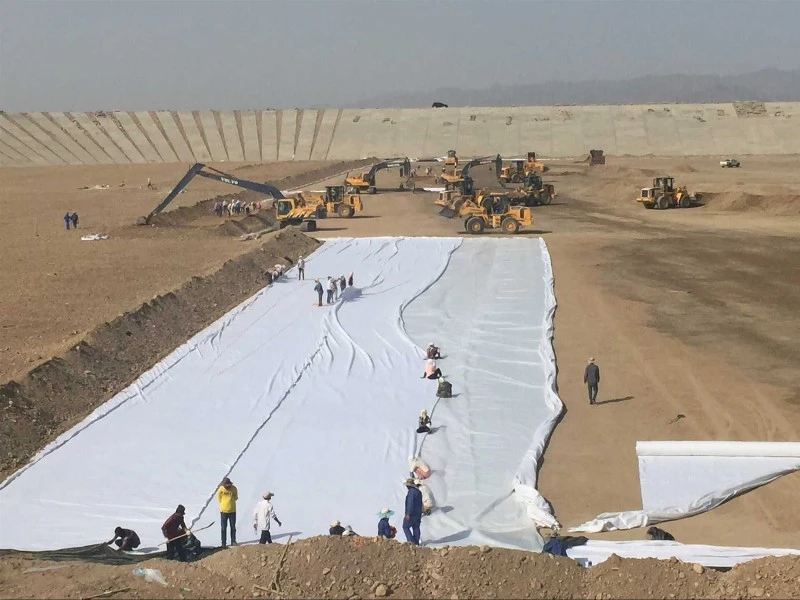
In the realm of civil engineering, construction, and environmental projects, nonwoven geotextiles play a crucial role. As a nonwoven geotextile supplier, I've witnessed firsthand the importance of selecting the right product for each unique application. This blog will guide you through the process of choosing the optimal nonwoven geotextile for your project, considering various factors such as function, project type, and material properties.
Understanding Nonwoven Geotextiles
Nonwoven geotextiles are permeable fabrics made from synthetic fibers such as polypropylene, polyester, or a blend of both. These fibers are bonded together through mechanical, thermal, or chemical processes, creating a fabric with unique properties. Nonwoven geotextiles are widely used in civil engineering and environmental applications due to their excellent filtration, separation, reinforcement, and drainage capabilities.
There are two main types of nonwoven geotextiles: needle-punched and heat-bonded. Needle-punched nonwoven geotextiles are created by mechanically entangling fibers using barbed needles, resulting in a thick, porous fabric with high strength and good filtration properties. Heat-bonded nonwoven geotextiles, on the other hand, are made by heating fibers until they fuse together, producing a thinner, more uniform fabric with lower permeability but higher chemical resistance.
Factors to Consider When Choosing Nonwoven Geotextiles
1. Function of the Geotextile
The first step in choosing the right nonwoven geotextile is to determine its primary function in the project. Nonwoven geotextiles can serve several functions, including:
- Filtration: Allows water to pass through while preventing the movement of fine soil particles. For filtration applications, you need a geotextile with appropriate pore size and permeability. Non Woven Geotextile Filter Fabric is an excellent choice for such applications as it provides effective filtration while maintaining high flow rates.
- Separation: Keeps different soil layers or materials from mixing. A nonwoven geotextile with sufficient strength and puncture resistance is required for separation purposes.
- Reinforcement: Improves the stability and load-bearing capacity of soil structures. High-strength nonwoven geotextiles are essential for reinforcement applications, especially in areas with heavy loads or poor soil conditions.
- Drainage: Facilitates the flow of water through the soil, reducing pore water pressure and preventing soil saturation. For drainage applications, a geotextile with high in-plane and out-of-plane permeability is necessary.
2. Project Type
The type of project will also influence your choice of nonwoven geotextile. Here are some common project types and the appropriate geotextiles for each:
- Road Construction: In road construction, nonwoven geotextiles are used for separation, reinforcement, and filtration. A needle-punched nonwoven geotextile with high strength and good filtration properties is typically recommended for road base separation and subgrade reinforcement.
- Landfill Liners: For landfill liners, Impermeable Geotextile Membrane is used to prevent the leakage of contaminants into the surrounding environment. These membranes are designed to have low permeability and high chemical resistance to withstand the harsh conditions in landfills.
- Erosion Control: Nonwoven geotextiles can be used to control soil erosion on slopes, riverbanks, and coastal areas. A lightweight, permeable geotextile with good anchoring properties is suitable for erosion control applications.
- Agricultural Applications: In agriculture, nonwoven geotextiles are used for weed control, soil moisture retention, and root protection. A Non Woven Filter Fabric with appropriate pore size and thickness can be used to filter water and prevent soil erosion in agricultural irrigation systems.
3. Material Properties
The material properties of nonwoven geotextiles are critical factors to consider when making a selection. Some of the key material properties include:
- Strength: The strength of a nonwoven geotextile is measured in terms of tensile strength, tear strength, and puncture resistance. Higher strength geotextiles are required for applications where the fabric will be subjected to heavy loads or stresses.
- Permeability: Permeability refers to the ability of a geotextile to allow water to pass through. The appropriate permeability depends on the specific application, such as filtration or drainage.
- Pore Size: The pore size of a nonwoven geotextile determines its ability to filter fine soil particles. A smaller pore size is required for applications where fine particle retention is necessary.
- Chemical Resistance: In applications where the geotextile will be exposed to chemicals or harsh environmental conditions, chemical resistance is an important consideration. Polyester and polypropylene geotextiles generally have good chemical resistance.
- UV Resistance: If the geotextile will be exposed to sunlight for an extended period, UV resistance is crucial to prevent degradation of the fabric. Some nonwoven geotextiles are treated with UV stabilizers to enhance their resistance to sunlight.
4. Environmental Conditions
The environmental conditions at the project site, such as temperature, humidity, and soil type, can also affect the performance of nonwoven geotextiles. For example, in cold climates, a geotextile with good flexibility and low-temperature resistance is required to prevent cracking. In areas with high humidity, a geotextile with good moisture resistance is preferred to avoid mold and mildew growth.
Testing and Quality Assurance
Before selecting a nonwoven geotextile for your project, it's essential to ensure that the product meets the required standards and specifications. Reputable nonwoven geotextile suppliers conduct a series of tests on their products to verify their quality and performance. Some of the common tests include:
- Tensile Strength Testing: Measures the maximum force a geotextile can withstand before breaking under tension.
- Permeability Testing: Determines the rate at which water can pass through the geotextile.
- Pore Size Distribution Testing: Analyzes the size and distribution of pores in the geotextile to ensure proper filtration.
- Chemical Resistance Testing: Evaluates the geotextile's resistance to various chemicals and environmental factors.
When choosing a nonwoven geotextile supplier, look for one that provides detailed product information, test reports, and certifications. This will give you confidence in the quality and performance of the geotextile you are purchasing.


Cost Considerations
Cost is always a factor in any project, but it should not be the sole determining factor when choosing a nonwoven geotextile. While it may be tempting to opt for the cheapest option, a low-quality geotextile may not perform as expected, leading to costly repairs or replacements in the long run. Instead, consider the overall value of the product, taking into account its quality, performance, and durability.
Conclusion
Choosing the right nonwoven geotextile for your project is a critical decision that can significantly impact its success. By considering the function of the geotextile, the type of project, material properties, environmental conditions, and cost, you can make an informed choice. As a nonwoven geotextile supplier, we are committed to providing high-quality products and expert advice to help you select the best geotextile for your specific needs.
If you have any questions or need assistance in choosing the right nonwoven geotextile for your project, please feel free to contact us. We look forward to discussing your requirements and helping you find the perfect solution.
References
- Koerner, R. M. (2012). Designing with Geosynthetics (5th ed.). Prentice Hall.
- ASTM International. (2022). ASTM standards for geotextiles and geotextile-related products.
- Industry reports on nonwoven geotextiles from leading market research firms.