


As a seasoned supplier of welding machines, I often encounter inquiries from customers regarding the feasibility of welding cast iron using our equipment. Cast iron, known for its brittleness and high carbon content, presents unique challenges in the welding process. In this blog post, I'll delve into the topic, exploring whether it's possible to weld cast iron with a welding machine, the methods involved, and the considerations you need to keep in mind.
Understanding Cast Iron
Before we discuss the welding process, it's essential to understand the properties of cast iron. Cast iron is an alloy primarily composed of iron, carbon, and silicon. It has a relatively high carbon content, typically ranging from 2% to 4%, which gives it its characteristic hardness and brittleness. The high carbon content also makes cast iron prone to cracking during the welding process, as the carbon can form hard and brittle carbides when heated and cooled rapidly.
There are several types of cast iron, including gray cast iron, white cast iron, ductile cast iron, and malleable cast iron. Each type has different properties and welding requirements. Gray cast iron, for example, is the most common type and is relatively easy to weld compared to other types. White cast iron, on the other hand, is extremely hard and brittle and is difficult to weld without proper preheating and post-weld heat treatment.
Welding Cast Iron with a Welding Machine
The short answer is yes, you can weld cast iron with a welding machine. However, it requires the right equipment, techniques, and precautions to ensure a successful weld. Here are some of the welding methods commonly used for cast iron:
Shielded Metal Arc Welding (SMAW)
SMAW, also known as stick welding, is one of the most popular methods for welding cast iron. It involves using a consumable electrode coated in flux to create an arc between the electrode and the workpiece. The flux protects the weld pool from atmospheric contamination and helps to control the cooling rate of the weld.
To weld cast iron using SMAW, you'll need to use a special cast iron electrode. These electrodes are designed to have a low hydrogen content, which helps to prevent cracking in the weld. You'll also need to preheat the cast iron to a temperature of around 500°F to 1000°F (260°C to 538°C) to reduce the risk of cracking. After welding, the workpiece should be allowed to cool slowly to avoid rapid cooling and the formation of hard and brittle structures.
Gas Tungsten Arc Welding (GTAW)
GTAW, also known as TIG welding, is another method that can be used to weld cast iron. It involves using a non-consumable tungsten electrode to create an arc between the electrode and the workpiece. A shielding gas, such as argon or helium, is used to protect the weld pool from atmospheric contamination.
GTAW is a precise welding method that allows for better control of the heat input and the weld pool. It's particularly suitable for welding thin sections of cast iron or for making repairs on intricate parts. However, it requires more skill and experience compared to SMAW. Like SMAW, preheating and post-weld heat treatment are also necessary when welding cast iron using GTAW.
Gas Metal Arc Welding (GMAW)
GMAW, also known as MIG welding, is a popular welding method for many types of metals, including cast iron. It involves using a consumable wire electrode that is fed through a welding gun and an arc is created between the wire and the workpiece. A shielding gas, such as carbon dioxide or a mixture of argon and carbon dioxide, is used to protect the weld pool from atmospheric contamination.
GMAW is a fast and efficient welding method that can be used to weld thick sections of cast iron. However, it's important to use the right type of wire electrode and shielding gas to ensure a good weld. Like SMAW and GTAW, preheating and post-weld heat treatment are also necessary when welding cast iron using GMAW.
Considerations When Welding Cast Iron
Welding cast iron is not without its challenges, and there are several considerations you need to keep in mind to ensure a successful weld:
Preheating
Preheating the cast iron is crucial to reduce the risk of cracking during the welding process. The preheating temperature depends on the type and thickness of the cast iron. As a general rule, the thicker the cast iron, the higher the preheating temperature required. Preheating helps to slow down the cooling rate of the weld and reduces the thermal stress in the workpiece.
Post-Weld Heat Treatment
After welding, the cast iron should be allowed to cool slowly to avoid rapid cooling and the formation of hard and brittle structures. This can be achieved by wrapping the workpiece in an insulating material, such as asbestos or ceramic fiber, and allowing it to cool naturally. In some cases, post-weld heat treatment may also be required to relieve the residual stress in the weld and improve the mechanical properties of the cast iron.
Cleaning and Preparation
Before welding, the cast iron surface should be cleaned thoroughly to remove any dirt, oil, rust, or paint. This can be done using a wire brush, grinder, or chemical cleaner. The edges of the joint should also be beveled to ensure good penetration and a strong weld.
Electrode Selection
Choosing the right electrode is essential for a successful weld. As mentioned earlier, cast iron electrodes are designed to have a low hydrogen content to prevent cracking. The type of electrode you choose will depend on the type of cast iron you're welding and the welding method you're using.
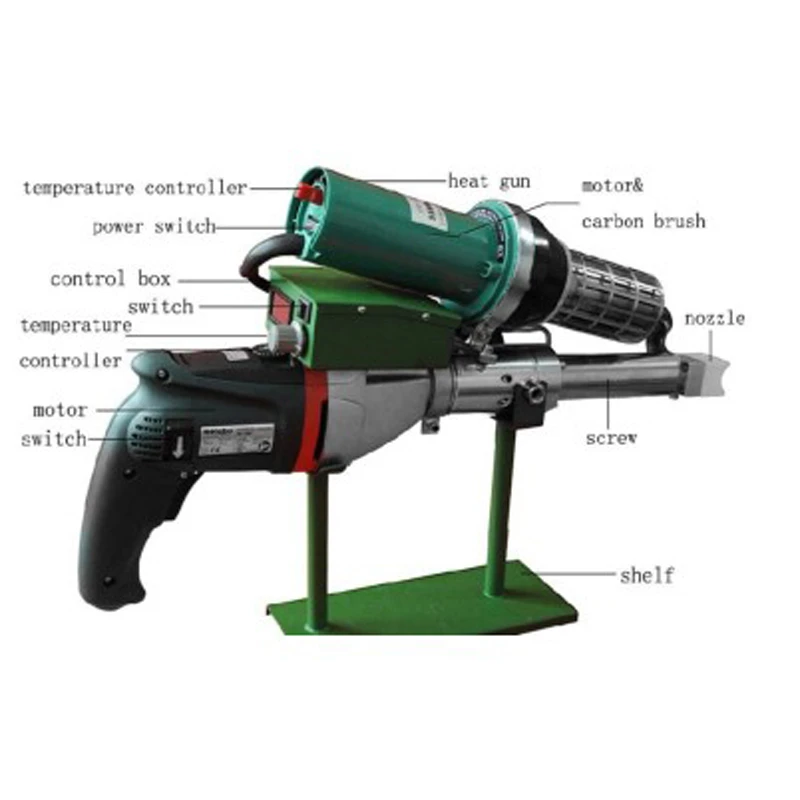

Our Welding Machines for Cast Iron Welding
At our company, we offer a wide range of welding machines that are suitable for welding cast iron. Our Geomembrane HDPE Welding Machine is a versatile machine that can be used for a variety of welding applications, including cast iron welding. It features advanced technology and precise control, allowing for high-quality welds.
Our Pond Liner Welding Machine is another option that can be used for welding cast iron. It's designed for easy operation and is suitable for both professional welders and DIY enthusiasts. With its adjustable welding parameters, you can customize the welding process to suit your specific needs.
If you're looking for a more powerful welding machine, our HDPE Liner Welding Machine is a great choice. It offers high welding speed and excellent penetration, making it ideal for welding thick sections of cast iron.
Conclusion
In conclusion, welding cast iron with a welding machine is possible, but it requires the right equipment, techniques, and precautions. By understanding the properties of cast iron, choosing the right welding method and electrode, and following the proper preheating and post-weld heat treatment procedures, you can achieve a successful weld.
If you're interested in purchasing a welding machine for cast iron welding or have any questions about our products, please don't hesitate to contact us. Our team of experts is always ready to assist you and provide you with the best solutions for your welding needs. We look forward to working with you and helping you achieve your welding goals.
References
- AWS Welding Handbook, Volume 1: Welding Science and Technology, American Welding Society
- Welding Metallurgy and Weldability of Stainless Steels, John C. Lippold and David J. Kotecki
- Cast Iron Welding Handbook, Edison Welding Institute