


Hey there! As a geocell supplier, I often get asked all sorts of questions about our products. One question that pops up quite a bit is, "Are geocells resistant to saltwater?" Well, let's dive right into this topic and find out.
First off, let me give you a quick rundown on what geocells are. Geocells are three - dimensional honeycomb - like structures made from various materials, usually high - density polyethylene (HDPE) or other polymers. They're used in a wide range of applications, like soil stabilization, erosion control, and even for building Plastic Geocell Driveway.
When it comes to saltwater resistance, the answer isn't a simple yes or no. It largely depends on the material the geocell is made of. Most of the geocells we supply are made from HDPE, and this material has some pretty great properties when it comes to dealing with saltwater.
HDPE is a thermoplastic polymer that is known for its chemical resistance. Saltwater is a complex mixture of water and various salts, mainly sodium chloride. The molecular structure of HDPE makes it relatively impervious to the corrosive effects of these salts. Unlike metals, which can rust and corrode when exposed to saltwater, HDPE doesn't react with the salts in a way that would cause it to break down.
In laboratory tests, HDPE geocells have been submerged in saltwater solutions for extended periods of time. The results have shown that there is very little degradation of the material. The physical properties of the geocell, such as its tensile strength and flexibility, remain largely intact even after months of exposure to saltwater.
However, it's important to note that while HDPE is resistant to saltwater, it's not completely immune. Over extremely long periods, say decades, there might be some very minor degradation due to factors like UV exposure combined with saltwater immersion. UV rays can break down the polymer chains in HDPE over time, and the presence of saltwater can potentially accelerate this process, although the effect is still minimal.
Another factor to consider is the environment in which the geocell is installed. If the geocell is used in a coastal area where it's constantly splashed by saltwater waves, the exposure is different from when it's used in an area where there's just occasional flooding with saltwater. In a high - energy coastal environment, the mechanical stress from the waves can also play a role in the long - term performance of the geocell.
Now, let's talk about some of the applications where saltwater resistance matters. One common use is in coastal erosion control. Coastal areas are constantly under threat from the erosive forces of the ocean. Geocells can be used to stabilize the soil along the shoreline. By filling the geocells with sand or gravel, they create a strong and stable structure that can withstand the impact of the waves. And because they're resistant to saltwater, they can last for a long time in this harsh environment.
Green Geocell is another product we offer, which is also made from materials with good saltwater resistance. These geocells are often used in environmentally friendly projects, like creating artificial reefs in marine environments. The saltwater resistance of these geocells ensures that they can support the growth of marine organisms without deteriorating.
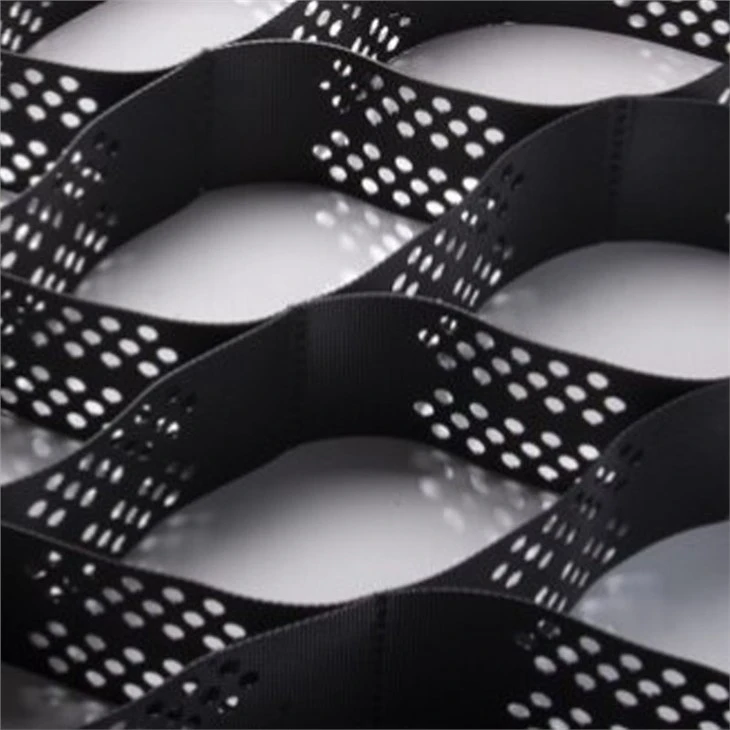

In addition, Geocell Gravel Grid is useful in areas near saltwater bodies. For example, in parking lots or driveways in coastal resorts, the geocell gravel grid can keep the gravel in place. The saltwater resistance of the geocell means that it won't break down due to the salt in the air or occasional saltwater flooding, maintaining the integrity of the driveway or parking lot.
So, in conclusion, geocells made from HDPE are generally quite resistant to saltwater. They can be a great solution for many applications in saltwater - prone areas. But like any product, their performance can be affected by a combination of factors over time.
If you're considering using geocells for a project in a saltwater environment, I'd be more than happy to have a chat with you. We can discuss the specific requirements of your project, the best type of geocell for your needs, and how to ensure its long - term performance. Whether it's for coastal erosion control, a driveway near the sea, or any other application, we've got the expertise and the products to help you out. So, don't hesitate to reach out and start a conversation about your geocell needs.
References
- ASTM International. (Year). Standard test methods for evaluating the performance of geosynthetics in various environments.
- Journal of Geotechnical and Geoenvironmental Engineering. (Multiple issues). Studies on the durability of geocells in different chemical environments, including saltwater.